Introduction
Ball valves play a critical role in industrial piping systems, providing reliable control over fluid flow. They are widely used in sectors such as oil and gas, chemical processing, water treatment, and HVAC systems. Understanding the types, selection criteria, installation, and maintenance of ball valves is essential for ensuring system efficiency and longevity. This guide aims to offer a comprehensive overview of ball valves, helping engineers, technicians, and procurement professionals make informed decisions.
Understanding Ball Valves
•Definition and Working Principle
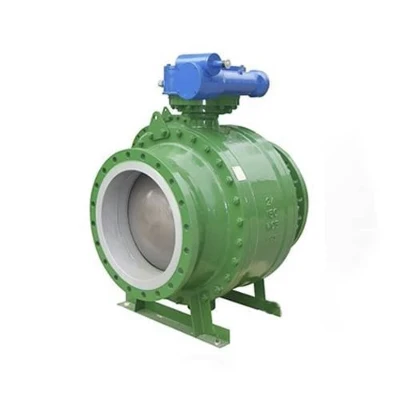
A ball valve is a quarter-turn valve that uses a spherical ball to control fluid flow. When the ball's hole aligns with the pipeline, fluid flows freely; when rotated 90 degrees, the flow stops. Compared to gate valves and butterfly valves, ball valves offer faster operation, tight sealing, and minimal pressure drop.
• Main Types of Ball Valves
Full Bore vs. Reduced Bore: Full bore valves allow uninterrupted flow, while reduced bore valves create minor flow restrictions.
One-piece, Two-piece, and Three-piece Valves: The number of components affects maintenance, cost, and installation flexibility.
Floating vs. Trunnion-mounted: Floating ball valves rely on the ball pressing against the seat, suitable for smaller sizes, while trunnion-mounted valves are ideal for larger diameters and high-pressure applications.
•Key Components
Body: Supports the valve and withstands pressure.
Ball: The spherical element controlling flow.
Seats and Seals: Ensure leak-proof operation.
Actuator or Handle: Enables manual or automated operation.
Material selection (stainless steel, brass, carbon steel, or plastic) depends on fluid type, pressure, and temperature.
Selecting the Right Ball Valve
•Fluid Type Considerations
The choice of ball valve depends on the medium it controls. Water, oil, gas, or corrosive chemicals require different materials and seals to prevent leakage and ensure durability.
•Pressure and Temperature Ratings
Valves are rated by class (e.g., Class 150, 300, 600). High-pressure or high-temperature systems need valves with robust materials and designs to prevent deformation or leakage.
•Operation Method
Ball valves can be manual, pneumatic, or electric. Automated systems often use actuators to control flow remotely, reducing manual intervention and improving process efficiency.
•Size and Connection Type
Choosing the correct valve size ensures adequate flow rate and minimal pressure loss. Connection methods include threaded, flanged, or welded, each suitable for specific applications and maintenance requirements.
Installation and Maintenance Tips
•Installation Guidelines
Proper installation is critical. Ensure flow direction matches the valve design, avoid excessive stress or misalignment, and follow manufacturer torque specifications for optimal sealing.
•Daily Operation Practices
Ball valves should operate within designed torque limits. Avoid rapid or forceful turning, especially in high-pressure systems. Keep the pipeline clean to prevent debris from damaging the valve seats.
•Maintenance and Troubleshooting
Regular maintenance extends service life. Check seals, lubricate moving parts, and inspect for wear or corrosion. Common issues include leakage, valve sticking, or actuator malfunction, all of which can be addressed with routine inspections and part replacement.
Applications of Ball Valves
•Industrial Applications
Ball valves are essential in chemical processing, petrochemicals, pharmaceuticals, and food and beverage industries. They handle high-pressure, high-temperature, and corrosive fluids efficiently.
•Building and Municipal Systems
Used in water supply, HVAC systems, and fire protection, ball valves ensure reliable flow control and minimal maintenance in municipal infrastructure.
•Specialized Applications
Some ball valves are designed for vacuum systems, cryogenic fluids, or automated production lines, demonstrating their versatility across diverse industries.
Tips for Choosing the Best Ball Valve
Evaluate the brand and quality assurance, as reliable manufacturers ensure durability.
Consider lifespan, maintenance requirements, and replacement availability.
Balance cost and performance to avoid over-engineering while ensuring reliability.
Confirm material compatibility with fluid type, pressure, and temperature conditions.
Conclusion
Ball valves are indispensable components in industrial and commercial fluid systems. Selecting the right type, installing correctly, and maintaining them regularly ensures system efficiency and longevity. By understanding the principles, types, and applications of ball valves, engineers and procurement professionals can make informed decisions that optimize performance, reduce downtime, and lower operational costs.