Introduction
Gate valves are fundamental components in industrial piping systems, offering reliable control over fluid flow. They are commonly used in water treatment, oil and gas, chemical processing, and power generation. Understanding the types, selection criteria, installation practices, and maintenance tips for gate valves is essential for ensuring system efficiency and longevity. This guide provides a comprehensive overview to help engineers, technicians, and procurement professionals choose the right gate valve for their applications.
Understanding Gate Valves
•Definition and Working Principle
A gate valve controls fluid flow by raising or lowering a flat or wedge-shaped gate inside the valve body. When fully open, the valve provides minimal flow resistance, making it ideal for applications requiring full, unobstructed flow. Unlike ball valves or butterfly valves, gate valves are primarily designed for on/off control rather than throttling.
•Main Types of Gate Valves
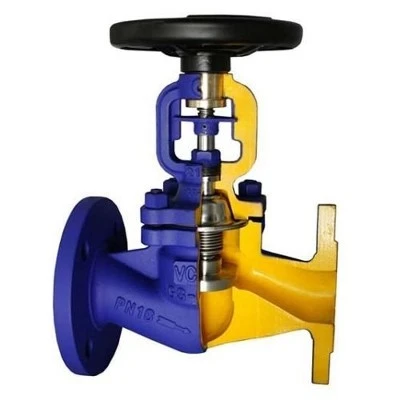
Rising Stem vs. Non-Rising Stem: Rising stem valves visually indicate valve position, while non-rising stem valves save space.
Single Gate vs. Double Gate: Single gate valves are simpler and cost-effective, while double gate valves provide improved sealing for certain applications.
Connection Types: Flanged, threaded, and welded connections allow compatibility with different piping systems.
•Key Components
Body: Supports the valve and withstands system pressure.
Gate/Disc: Moves vertically to open or close flow.
Stem: Connects the actuator or handwheel to the gate.
Seats and Seals: Ensure leak-proof operation.
Materials range from carbon steel and stainless steel to brass or alloy steels, selected based on fluid type and operating conditions.
Selecting the Right Gate Valve
•Based on Fluid Type
Choose a gate valve suitable for the specific fluid in your system-water, oil, gas, or corrosive chemicals. Consider material compatibility, corrosion resistance, and sealing performance to ensure reliability.
•Based on Pressure and Temperature
Gate valves are rated by pressure (PN) and class (ANSI/ASME). High-pressure or high-temperature systems require robust materials and reinforced components to prevent deformation or leakage.
•Based on Operation Method
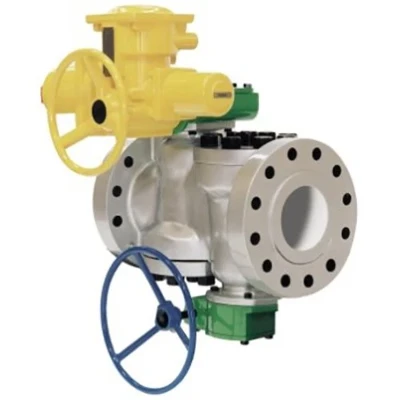
Gate valves can be manual, gear-operated, pneumatic, or electric. Automated systems often use actuators to control flow remotely, improving efficiency and safety.
•Size and Connection Considerations
Selecting the correct valve size ensures proper flow rate and minimal pressure drop. Choose threaded, flanged, or welded connections based on system requirements and maintenance accessibility.
Installation and Maintenance Tips
•Installation Guidelines
Ensure proper flow direction, correct alignment, and minimal stress on the valve body. Follow manufacturer torque specifications for bolted connections to ensure optimal sealing.
•Daily Operation Practices
Open and close the gate valve slowly to prevent water hammer or seat damage. Regularly inspect the stem, gate, and seals to ensure smooth operation.
•Maintenance and Troubleshooting
Periodic lubrication of the stem, inspection of seals, and replacement of worn parts extend the valve's lifespan. Common issues include leakage, sticking, or corrosion, which can be prevented with routine maintenance.
Applications of Gate Valves
•Industrial Applications
Gate valves are widely used in petrochemical, chemical, energy, paper, and pharmaceutical industries. They are suitable for high-pressure, high-temperature, and corrosive fluid systems.
•Municipal and Building Systems
Used in water supply, HVAC, and fire protection systems, gate valves provide reliable flow control with minimal maintenance requirements.
•Specialized Applications
Gate valves are also used in steam pipelines, vacuum systems, high-temperature liquids, and automated production lines, demonstrating their versatility across various sectors.
Tips for Choosing the Best Gate Valve
Verify manufacturer credentials and product certifications to ensure quality.
Consider the combination of material, size, pressure rating, and seal type.
Assess maintenance requirements, expected lifespan, and system compatibility.
Avoid over-engineering; select a gate valve that meets operational needs cost-effectively.
Conclusion
Selecting the right gate valve is critical for system efficiency, safety, and reliability. By carefully considering size, pressure rating, seal type, and material compatibility, engineers and procurement professionals can optimize flow control systems, reduce downtime, and minimize maintenance costs. Proper selection, installation, and routine maintenance of gate valves ensure long-term performance and system integrity.